

Compliance That Fits SAP ECC Users
How Advintek Processes Invoices from SAP ECC
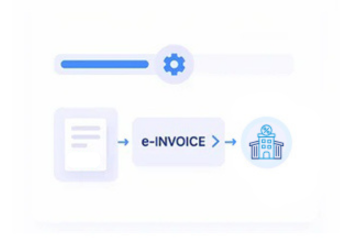
- Select Billing Sources: Relevant billing documents, customer accounts, materials, and accounting records are identified within SAP ECC first.
- Extract Relevant Fields: Advintek retrieves configured transaction information needed to construct structured electronic invoice content accurately.
- Organize Document Lines: Material, quantity, pricing, tax, and customer information are arranged into coherent invoice details.
- Perform Compliance Checks: Required invoice information is reviewed against applicable Slovenia requirements before electronic exchange proceeds securely.
- Send Through Channels: Validated invoices are directed through appropriate electronic exchange channels based on recipient requirements.
- Confirm Accounting Links: Processed invoice information can be compared with originating SAP ECC accounting records for reconciliation.
What Does Advintek’s Connector Manage for SAP ECC?
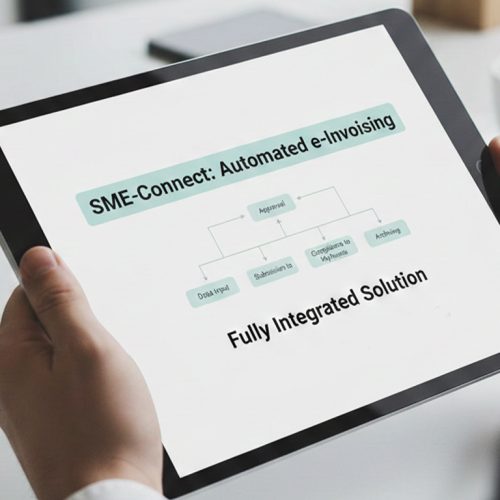
Advintek connects SAP ECC billing and accounting information with electronic invoice processing while preserving relationships across operational and financial records.
- Connects billing documents with invoice records
- Maps material master data into invoices
- Associates customers with recipient information
- Links invoices with accounting entries
Why Advintek Supports SAP ECC Invoice Management
- Billing Process Consistency: Connecting billing documents with invoices helps maintain consistent information across SAP ECC commercial transactions and invoicing workflows.
- Master Data Reuse: Existing customer and material information reduces repetitive preparation during recurring invoice creation and document processing activities.
- Financial Context Management: Company codes and accounting entries provide useful organizational context for invoice review and financial analysis processes.
- Procurement Visibility Support: Purchasing information can support broader transaction understanding when supplier activity intersects with financial processes and invoice workflows.
- Document Traceability: Source references help teams follow processed invoices back to their originating SAP ECC records for easier review.
- Reconciliation Efficiency: Connected transaction information gives finance teams a clearer basis for investigating invoice differences and reconciliation exceptions.
One Connected Platform for Slovenia e-Invoicing
Billing Data Controls
Manage invoice information originating from SAP ECC billing documents with structured transaction relationships.
Master Data Processing
Use relevant customer and material information to support consistent electronic invoice preparation.
Accounting Reconciliation
Compare processed invoice information with SAP ECC financial entries for detailed accounting review.
Built for SAP ECC Businesses in Slovenia
Advintek supports SAP ECC environments where sales, materials, procurement, billing, taxation, and accounting contribute to Slovenia invoicing activities.
- Manufacturers managing material-based customer billing
- Enterprises coordinating sales and accounting
- Procurement teams handling supplier transactions
- Businesses invoicing Slovenia budget users
Modernize Your Invoice Exchange
Align SAP ECC billing data with Slovenia e-invoicing through Advintek.
Coordinate finance and billing through one workflow.
Ready e-Invoice System
Frequently Asked Questions SAP ECC E-Invoicing Slovenia
How does SAP ECC billing information support Slovenia e-invoicing?
SAP ECC billing documents can contain customer, material, pricing, tax, and organizational information required for invoice preparation. Advintek can connect configured billing data with structured electronic invoice processing, allowing organizations to reuse established SAP ECC information. This reduces duplicate preparation while preserving the relationship between originating billing activity and resulting Slovenia electronic invoices.
Can SAP ECC material master data appear on electronic invoices?
Relevant material master information can support invoice line creation when products or materials are included in originating SAP ECC transactions. Advintek can map configured material fields into structured invoice content, helping organizations maintain consistent product information. This also allows invoice lines to remain connected with the operational records from which their commercial details originated.
What role do SAP ECC company codes play in invoice processing?
Company codes provide important organizational and accounting context within SAP ECC. Where included in the configured integration, company-code information can remain associated with invoice transactions during processing. This helps organizations distinguish financial activity across their enterprise structures and provides finance teams with useful context when reviewing invoices and related accounting information.
How can SAP ECC accounting entries be reconciled with invoices?
Processed invoice information can remain connected with relevant SAP ECC accounting entries when the integration is configured accordingly. Finance teams can compare invoice details against accounting documents, billing information, customer records, and other source transactions. These relationships provide a clearer basis for investigating discrepancies and completing reconciliation without manually reconstructing the transaction history.
What should SAP ECC users consider for Slovenia budget users?
When invoices are issued to Slovenia budget users, the applicable Slovenia electronic exchange arrangements must be followed. SAP ECC users should ensure that relevant recipient, billing, tax, and transaction information is available for processing. Advintek can connect configured SAP ECC data with the appropriate electronic workflow for preparing and routing these documents.