

Compliance Built for EnterpriseOne Financial Systems
How Oracle JD Edwards EnterpriseOne Handles Invoice Processing
- Select Enterprise Records: Relevant orders, shipments, customers, and financial records are identified before processing begins within workflows.
- Map Enterprise Fields: Selected JD Edwards fields are interpreted and mapped into structured invoice information for processing.
- Assemble Billing Content: Commercial information is assembled into invoice content reflecting the originating enterprise transaction accurately and appropriately.
- Validate Required Data: Required invoice information is checked against applicable Slovenia requirements before electronic exchange proceeds securely.
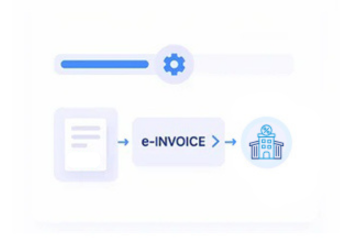
- Route Approved Documents: Validated documents are directed through suitable electronic channels according to recipient and exchange requirements.
- Review Financial Entries: Processed invoice information is compared with originating records for accounting review and reconciliation activities.
What Advintek Adds to Oracle JD Edwards EnterpriseOne
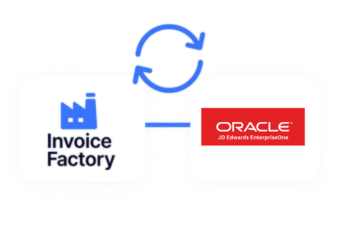
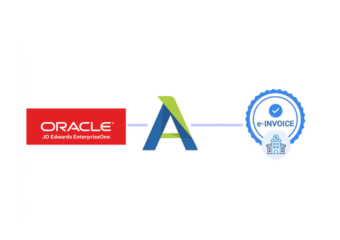
Advintek connects Oracle JD Edwards EnterpriseOne operational records with electronic invoice processing while preserving relationships between orders, shipments, manufacturing activity, and financial information.
- Links business units with invoice transactions
- Connects shipments with related billing records
- Associates production activity with customer invoices
- Maps financial postings into invoice workflows
Why Advintek Aligns with Oracle JD Edwards EnterpriseOne Invoicing Needs
- Business Unit Visibility: Invoice records retain organizational context, helping teams identify originating business units across complex enterprise structures.
- Manufacturing Billing Context: Production-related information provides useful operational background when manufacturing activity contributes directly to customer billing.
- Distribution Traceability: Shipment references help teams follow billing documents back through distribution and fulfillment activity more efficiently.
- Order Processing Accuracy: Connected order information reduces potential discrepancies between commercial transactions and resulting electronic invoices.
- Financial Posting Alignment: Invoice information remains connected with relevant financial postings, supporting consistent accounting review across business operations.
- Cross-Department Reconciliation: Source-linked documents help finance teams investigate differences between operational activity and processed invoices more efficiently.
A Complete Foundation for ng Slovenia e-Invoici
Business Unit Controls
Organize invoice information according to Oracle JD Edwards EnterpriseOne company and business-unit structures for accurate processing.
Shipment Billing Analysis
Review shipment-linked invoice information to understand distribution activity behind customer billing transactions and related delivery records.
Posting Reference Management
Connect processed invoices with relevant financial references for accounting, reconciliation, audit tracking, and financial reporting accuracy.
Tailored for Oracle JD Edwards EnterpriseOne Workflows in Slovenia
Advintek supports Oracle JD Edwards EnterpriseOne environments where manufacturing, distribution, order management, and finance records contribute to connected Slovenia invoicing processes.
- Manufacturers coordinating production and customer billing
- Distributors managing shipment-based commercial transactions
- Enterprises operating multiple business-unit structures
- Suppliers invoicing Slovenia public-sector organizations
Strengthen E-Invoice Workflow with FURS
Coordinate Oracle JD Edwards EnterpriseOne invoices with Slovenia compliance workflows.
Support enterprise billing across connected workflows.
Ready e-Invoice System
Frequently Asked Questions EnterpriseOne e-Invoicing Slovenia
How can Oracle JD Edwards EnterpriseOne business units support Slovenia e-invoicing?
Oracle JD Edwards EnterpriseOne can organize transactions across companies, business units, orders, customers, manufacturing activities, and financial records. Advintek can use relevant configured information for invoice preparation, helping organizations preserve organizational context throughout processing. This supports structured Slovenia electronic invoicing while allowing finance teams to trace documents back to their EnterpriseOne source transactions.
Which Oracle JD Edwards EnterpriseOne transactions can contribute to invoice creation?
Depending on the configured workflow, invoice information can originate from sales orders, shipment records, customer information, product details, manufacturing activity, tax classifications, and financial postings. Advintek can map appropriate EnterpriseOne fields into structured invoice content. This allows businesses to use operational information already maintained within EnterpriseOne instead of recreating billing documents manually.
Can manufacturing and shipment records remain associated with invoices?
Where the integration is configured accordingly, manufacturing and shipment information can remain connected with the resulting invoice records. This provides useful context when billing follows production, fulfillment, or distribution activity. Finance and operations teams can use these relationships to understand the commercial source of invoices and investigate discrepancies against Oracle JD Edwards EnterpriseOne transactions.
What happens when Oracle JD Edwards EnterpriseOne invoices are addressed to Slovenia budget users?
Invoices issued to Slovenia budget users must follow the applicable electronic exchange arrangements. Advintek can prepare invoice information from Oracle JD Edwards EnterpriseOne and support routing through an appropriate connected channel. The workflow can retain relevant company, customer, order, tax, and transaction context while directing the completed document toward the intended Slovenia public-sector recipient.
How does Advintek support Oracle JD Edwards EnterpriseOne financial reconciliation?
Advintek can associate processed invoice information with relevant Oracle JD Edwards EnterpriseOne source records, depending on the configured integration. Finance teams can compare documents with orders, shipments, business units, production-related activity, and financial postings. These connections provide useful evidence when reviewing invoice discrepancies and reconciling electronic documents against originating enterprise transactions.