

Compliance That Fits NetSuite Users
How NetSuite Supports Slovenia e-Invoicing
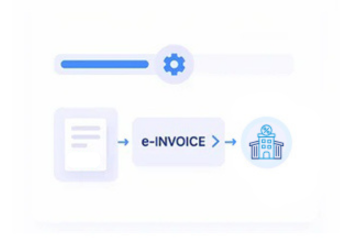
- Identify Relevant Transactions: Sales, billing, subsidiary, and accounting records are selected from NetSuite before invoice processing begins.
- Map Business Fields: Advintek interprets customer, transaction, tax, subsidiary, and financial information from selected NetSuite records.
- Prepare Invoice Structure: Relevant information is organized into structured invoice content reflecting the originating NetSuite transaction accurately.
- Validate Document Data: Required invoice information is checked against applicable Slovenia FURS requirements before electronic exchange proceeds securely.
- Route Approved Invoices: Completed documents are directed through suitable exchange channels according to recipient and processing requirements.
- Reconcile Financial Entries: Processed invoice information is compared with NetSuite records for financial review and reconciliation activities.
What Advintek Adds to Oracle NetSuite
Advintek connects Oracle NetSuite information with structured invoice processing, allowing finance, sales, procurement, and subsidiary records to participate in Slovenia electronic invoicing workflows.
- Maps subsidiary data into structured invoice records
- Connects sales orders with resulting invoice documents
- Links procurement information with related billing workflows
- Supports recipient-specific e-invoice delivery requirements
Why Advintek Works Well with Oracle NetSuite Processes
- Subsidiary Visibility: Invoice records retain organizational context, helping finance teams distinguish activity across connected Oracle NetSuite entities.
- FURS Compliance Context: Billing documents remain associated with relevant charge details, supporting clearer financial analysis and review.
- Order Billing Accuracy: Connecting sales orders with invoices helps reduce discrepancies between commercial activity and issued documents.
- Procurement Coordination: Purchasing information provides useful context when vendor-related transactions contribute to financial document processing.
- Financial Reporting Support: Structured invoice information complements NetSuite reporting by preserving relevant transaction classifications throughout processing.
- Audit Investigation: Source-linked invoice records help teams examine transaction history when reviewing discrepancies or supporting financial controls.
Slovenia e-Invoicing Capabilities in One Place
Subsidiary Invoice Controls
Manage invoices across NetSuite subsidiaries while preserving relevant organizational and transaction context processing.
FURS Data Management
Organize billing information alongside financial classifications for clearer downstream accounting and reporting processes.
Transaction Review Workspace
Examine processed invoices against source records to support detailed financial investigation and reconciliation.
Where Oracle NetSuite Meets Slovenia Invoicing Requirements
Advintek supports Oracle NetSuite environments where finance, sales, procurement, subsidiary, and accounting information contribute to connected Slovenia invoicing processes.
- Finance teams managing complex NetSuite subsidiaries
- Organizations coordinating regional sales operations
- Procurement departments handling vendor transaction records
- Suppliers serving Slovenia public-sector invoice recipients
Start Structured e-Invoicing
Connect your Oracle NetSuite data with Slovenia e-Invoicing today.
Support connected finance workflows through Advintek.
Ready e-Invoice System
Frequently Asked Questions NetSuite E-Invoicing Slovenia
How can Oracle NetSuite subsidiaries support Slovenia e-invoicing?
Oracle NetSuite can manage financial information across subsidiaries, customers, orders, vendors, and accounting records. Advintek can connect relevant subsidiary data with structured invoice processing, allowing organizations to preserve organizational context during document preparation. This helps finance teams handle invoices from different business entities while supporting Slovenia e-exchange requirements applicable to their recipients.
Which Oracle NetSuite records can contribute to electronic invoice creation?
Relevant Oracle NetSuite information can include customer records, sales orders, item details, tax information, vendor transactions, subsidiary data, and accounting classifications. Advintek can map appropriate fields into structured invoice content according to the configured workflow. This allows organizations to use established ERP information instead of manually rebuilding invoice documents outside their NetSuite environment.
How does Oracle NetSuite support invoice reconciliation after processing?
Processed invoice information can remain associated with originating Oracle NetSuite transactions, depending on the configured integration. Finance teams can compare invoice details with sales orders, customer records, subsidiary information, and accounting entries. These relationships provide useful context when investigating discrepancies, reviewing transaction history, or reconciling electronic invoices against the underlying financial activity.
Can Oracle NetSuite handle invoices involving Slovenia public-sector recipients?
When an invoice is addressed to a Slovenia budget user, the applicable electronic exchange arrangement must be followed. Advintek can prepare invoice information from Oracle NetSuite and support routing through a suitable connected channel. This allows organizations to preserve customer, order, tax, and subsidiary context while directing completed electronic invoices toward the intended Slovenia recipient.
What does Advintek add to Oracle NetSuite invoice workflows?
Advintek connects Oracle NetSuite records with structured electronic invoice processing, helping organizations coordinate finance, sales, procurement, and subsidiary information. Relevant ERP data can support document preparation, validation, routing, and reconciliation. The integration provides a connected workflow in which invoices remain associated with their originating business records instead of becoming isolated documents after processing.